








Amazon’s automation revolution is happening, and the numbers are staggering.
Data released points to the e-commerce giant’s most ambitious workforce shift yet, a plan to automate 75% of its operations while reshaping what work looks like at the world’s largest retailer.
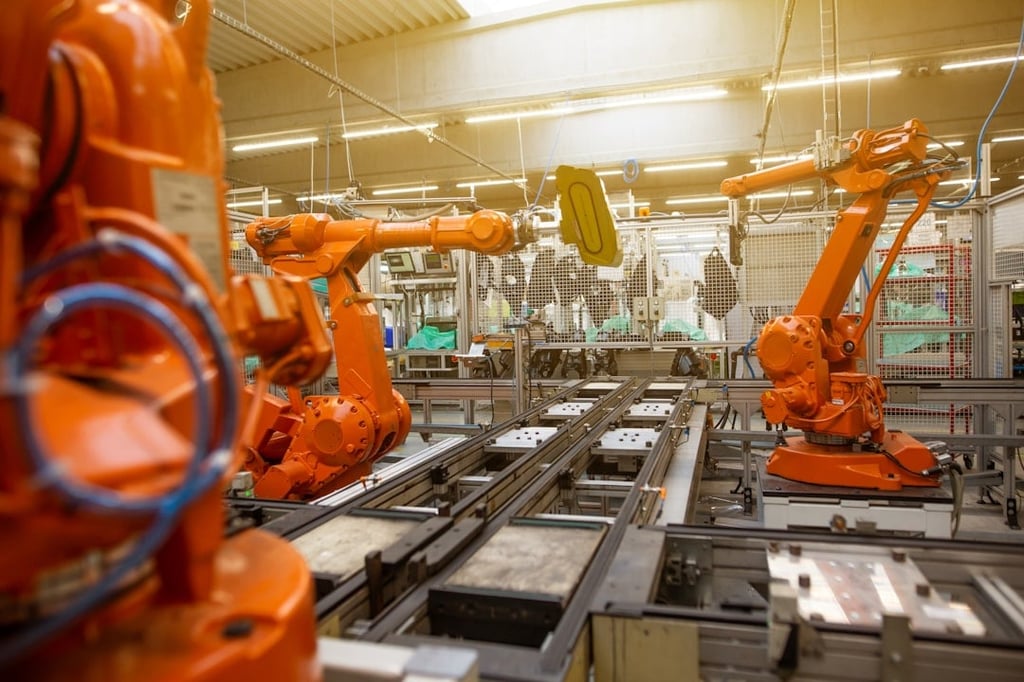
This isn’t sci-fi. Amazon already operates 750,000 mobile robots across its warehouses, nearly matching its human workforce in sheer numbers. The company says these machines can help it avoid hiring more than 160,000 people in the US by 2027, with projections showing a potential reduction in human hiring by more than 600,000 by 2033.
The scale is unprecedented. Internal documents seen by The New York Times say robotic systems are critical to flattening Amazon’s hiring curve over the next 10 years. That shifts automation from productivity booster to workforce replacement, plain and simple.
Still, Amazon argues the tech creates opportunities elsewhere. The company has committed over $100 billion to AI and cloud infrastructure by 2025. Since introducing robots, it says it has created over 700 categories of new skilled jobs and that more than 700,000 employees have completed training in technical fields like robotics maintenance and systems engineering.
Automation everywhere
This moment signals more than corporate efficiency. It looks like the rise of what researchers call the “Amazonian Era,” where algorithmic systems control fundamental aspects of work across industries.
Amazon’s approach is fast becoming the model. Its success with robotics has pushed competitors to adopt similar automation strategies, sending ripples through logistics, retail, manufacturing, and beyond.
Robotic innovation keeps accelerating. Recent developments include systems where robots handle reconnaissance, penetration, and data analysis with minimal human oversight. Next steps integrate more deeply with AI and machine learning, creating autonomous systems that adapt in real time.
The implications go well past individual jobs. As algorithmic management spreads into logistics, retail, manufacturing, hotels, customer assistance, banking, and law enforcement, Amazon’s blueprint is reshaping the relationship between human workers and technology across the economy. It touches how people are managed, measured, even motivated.
Unlike earlier industrial shifts that took decades, this push is producing results within months. Amazon’s ability to reduce order fulfillment costs by 25% while keeping service quality steady shows that large-scale workforce automation is not hypothetical. It is here, at scale, with immediate economic impact.
It’s not just the lack of jobs that create anxiety. AI is fast becoming hackers’ weapon of choice.