








- How IBM is Making Cities Smarter Worldwide
- Minneapolis Taps the Cloud
- Managing Water in Montpellier, France
- Reducing Traffic in Stockholm
- Sustainability in Dubuque, Iowa
- Managing Infrastructure in Cambridge, Ontario
- Transportation Management in Lyon, France
- Operations Center in Rio de Janeiro
- Madrid’s Response Center
- Predictive Management in Miami-Dade County
- Police Analytics in Rochester, Minn.
- Smarter Policing in Fort Lauderdale
How IBM is Making Cities Smarter Worldwide
by Darryl K. Taft
Minneapolis Taps the Cloud

Minneapolis is using IBM’s cloud-based Smarter Cities technology to make more effective decisions, allocate city resources more efficiently and drive change by ensuring multiple departments are aligned and working together on a single initiative. IBM Intelligent Operations software is also helping the city do pattern discovery and providing city leaders with metrics to track performance improvement and ensure they are meeting their goals.
Managing Water in Montpellier, France

In Montpellier, France, the country’s fastest growing city, IBM Intelligent Operations delivered via the cloud serves as the foundation of the city’s effort to improve water management, mobility and risk management while keeping up with growing demands on city services. This capability aggregates Montpellier’s data sources and provides city leaders with the ability to analyze this data in detail. It also allows new insight to be integrated and shared across multiple parts of the city and universities, as well as with partner organizations delivering services to the region.
Reducing Traffic in Stockholm
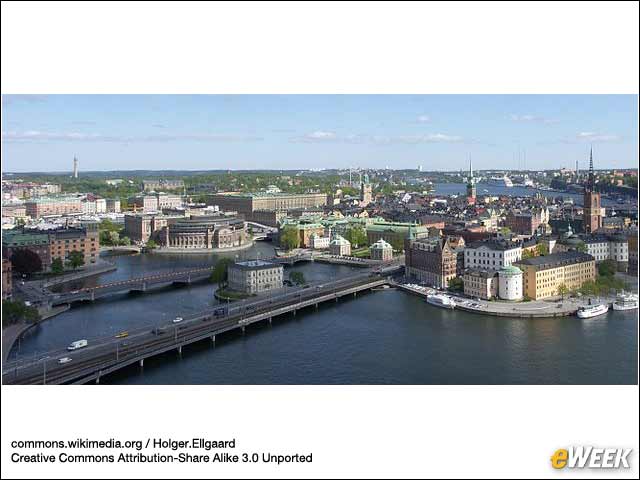
IBM worked with the city of Stockholm, Sweden, to launch a host of Smarter City initiatives to reduce traffic and pollution by aligning road demand and supply. When the Swedish National Road Administration and the Stockholm City Council selected IBM to develop a traffic-charging system in the mid-2000s, traffic congestion had been a growing aggravation in Stockholm, with more than half a million cars traveling into the city every weekday.
Sustainability in Dubuque, Iowa
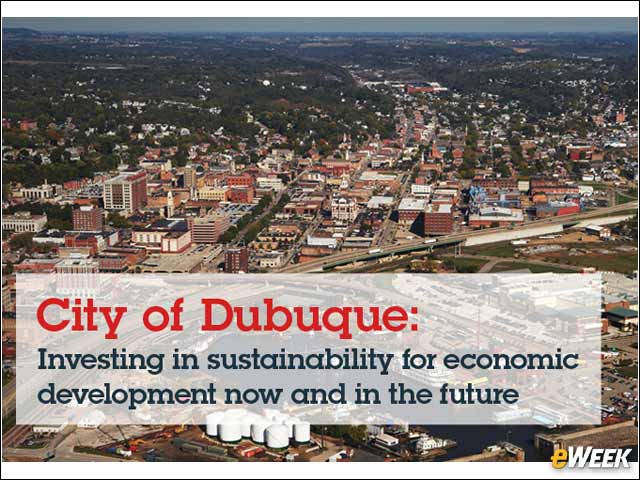
IBM worked with the city of Dubuque, Iowa, to launch Smarter City initiatives to develop a water conservation and sustainability-focused program known as Smarter Sustainable Dubuque. The main sustainability issues included the need for more efficient usage of the city’s water, power and transportation resources. IBM worked closely with Dubuque’s local utilities, smart meter suppliers and local community-based organizations to review existing services and establish a sustainable future.
Managing Infrastructure in Cambridge, Ontario

Cambridge, Ontario, has more than 250,000 infrastructure assets with a total value of $1.6 billion. The city is using IBM’s Intelligent Infrastructure Planning to examine millions of disparate pieces of information to perform what-if analyses to help make better decisions. Algorithms process the data and predict which assets will fail and when, helping city staff decide, for example, whether a sewer pipe should be relined or replaced entirely. Through better project coordination, less time spent on capital forecasting and improved asset management, Cambridge is expected to save at least $100,000 per year.
Transportation Management in Lyon, France

The city of Lyon, France, is using analytics technology to give transportation engineers real-time decision support on steps to reduce traffic congestion and enable faster incident response time when an unexpected event occurs. Proactively managing the resulting traffic congestion means travelers spend less time stuck in a traffic jam because detours can be put into place quickly and more accurate alternate route suggestions can be made. Using real-time traffic data, the new analytics and optimization technology can help officials predict outcomes and analyze different scenarios to resolve problems.
Operations Center in Rio de Janeiro
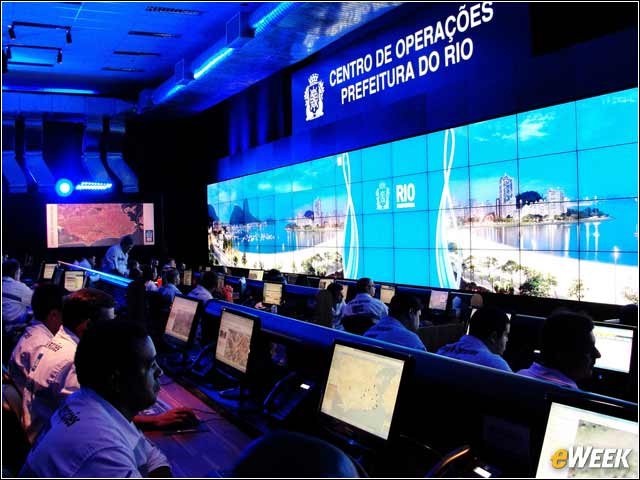
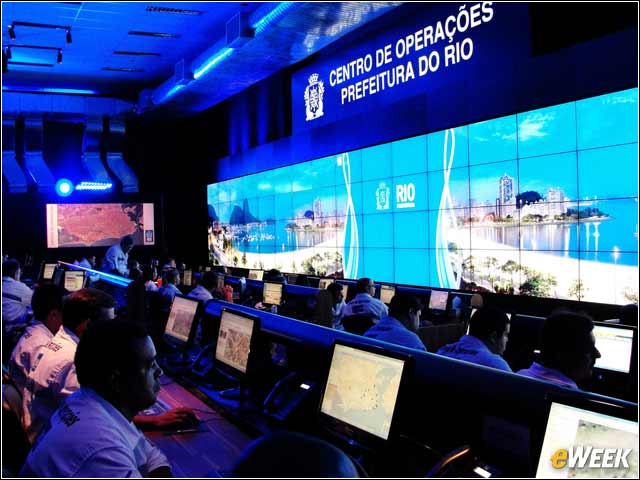
The city of Rio de Janeiro, Brazil, worked with IBM to develop a command center that has integrated information and processes from across 30 city agencies into a single operations facility that provides a holistic view of how the city is functioning on a 24/7 basis. The operations center serves as the nerve center for the city, applying analytical models developed by IBM to more effectively predict and coordinate reaction to emergency incidents.
Madrid’s Response Center
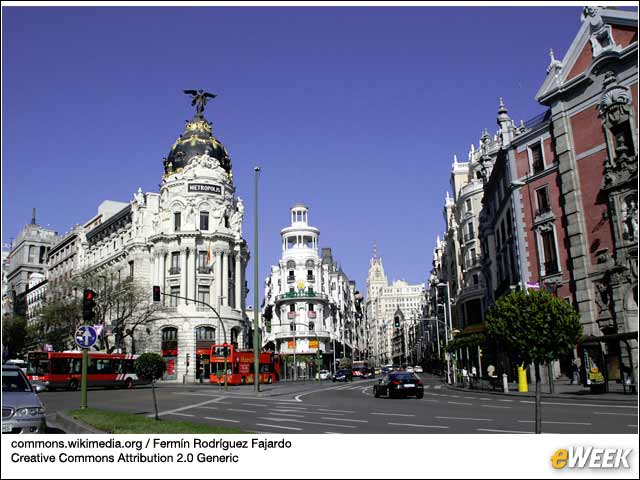
IBM and the city of Madrid, Spain, teamed up to create a response center that coordinates the resources and efforts of police, fire, highway, hotline and ambulance units, among others. The 90-foot wall of screens displays traffic video from surveillance cameras, maps with GPS data, and the status and location of personnel. The center was created in response to the aftermath of the terrorist train bombings on March 11, 2004, which triggered a swift, massive, but uncoordinated medical response. Today, the center coordinates a fast, integrated response from the right team to a wide variety of emergencies.
Predictive Management in Miami-Dade County
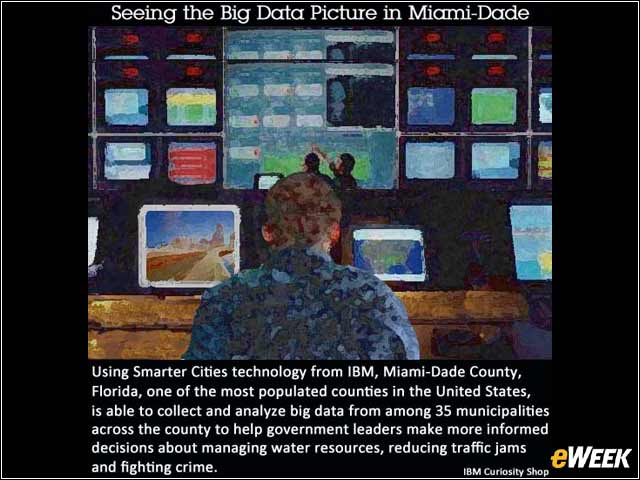
IBM is helping Miami-Dade County, Fla., improve services for residents and help agencies share information among the 35 municipalities within the county, which will modernize and improve the predictive management capabilities of systems tied to law enforcement, transportation and water. Through the use of an intelligent dashboard from IBM that provides visibility into operations, city and county leaders will soon be able to harvest massive amounts of information from one department and immediately share it with multiple departments to improve access to valuable and often time-sensitive information.
Police Analytics in Rochester, Minn.

The Rochester Police Department, in Minnesota, is using advanced analytics software to mine, share and extract intelligence from critical data to improve police investigative and prevention programs. By identifying incident patterns, the police department can forecast crime “hot spots” and proactively allocate resources accordingly via a sophisticated police analytics platform that utilizes the IBM Smarter Cities framework.
Smarter Policing in Fort Lauderdale
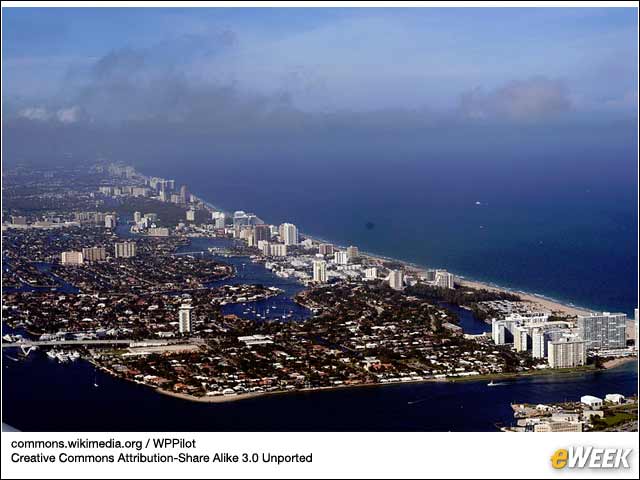
IBM is working with Fort Lauderdale, Fla., to enable the city to be a leader in crime prevention and a national role model for other communities through the use of innovative police operations planning. IBM researchers are collaborating with Fort Lauderdale to create a solution to take advantage of new and advanced data and analytics tools that will assist in optimizing resources. Initially, the project will focus on increasing the likelihood of deterring crime. Specifically, the Fort Lauderdale Police Department will utilize the new capabilities to better identify where to deploy its resources for maximum impact.